

Published on Oct. 14, 2025
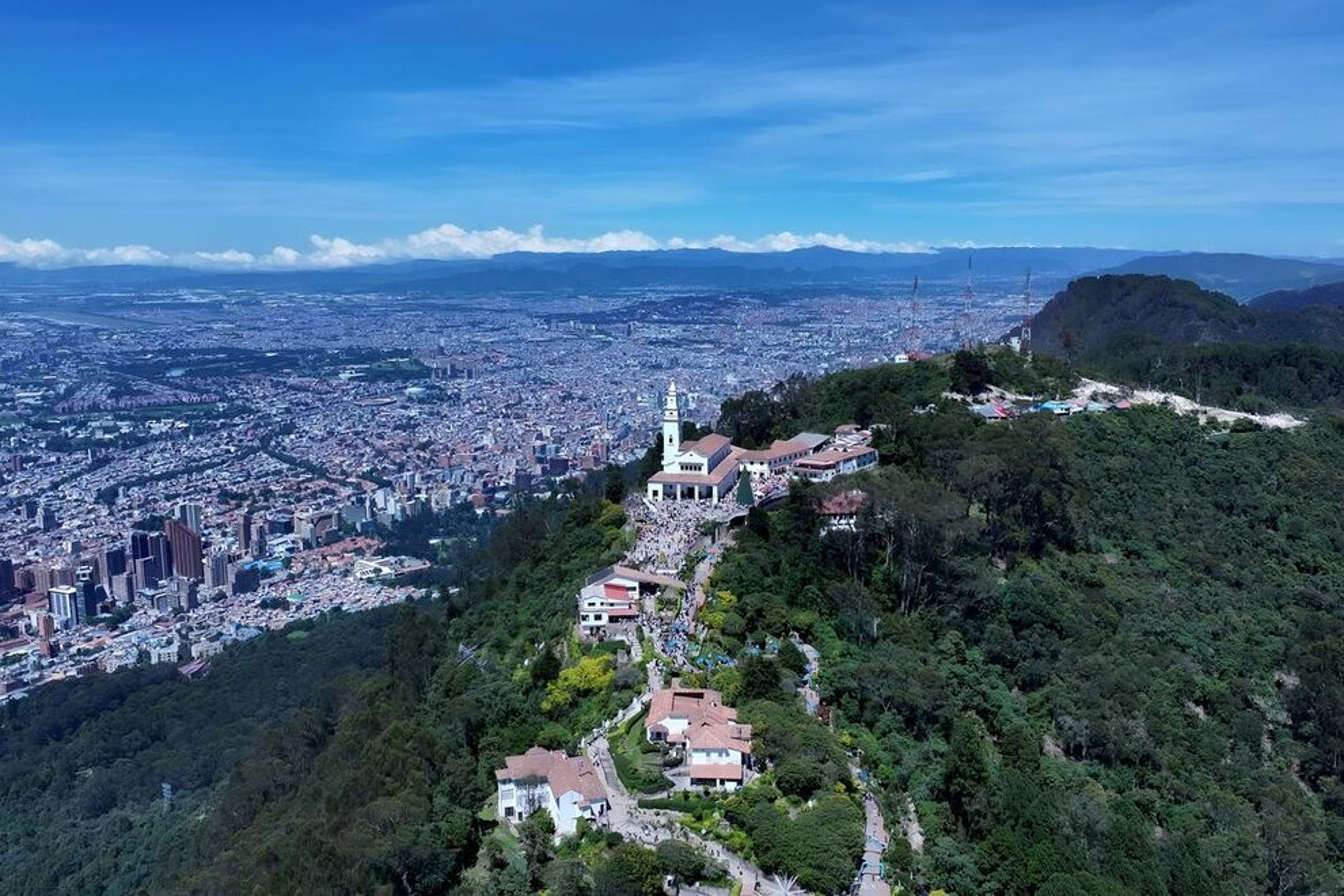 Monserrate looks over all of Bogota, Colombia – Photo courtesy of Cristian Lourenço / iStock Via Getty Images Plus
In January 2020, I touched down at Bogota, Colombia’s El Dorado International Airport for a 12-hour layover. Rather than waste a day staring at screens on the airport floor, I decided to explore the city with a local friend. In the space of a few hours, I was utterly captivated by Colombia’s capital city. Since that fateful trip, I’ve been to Bogota more than 10 times, including a five-month stint in the city in 2022.
While Colombian tourism hot spots like Medellin and Cartagena tend to overshadow the national capital, Bogota comes equipped with world-class museums, stunning scenery, and one of the finest dining scenes in Latin America. And while it may be a little intimidating for first-time visitors, I’m confident that you’ll love it as much as I do by the end of your trip.
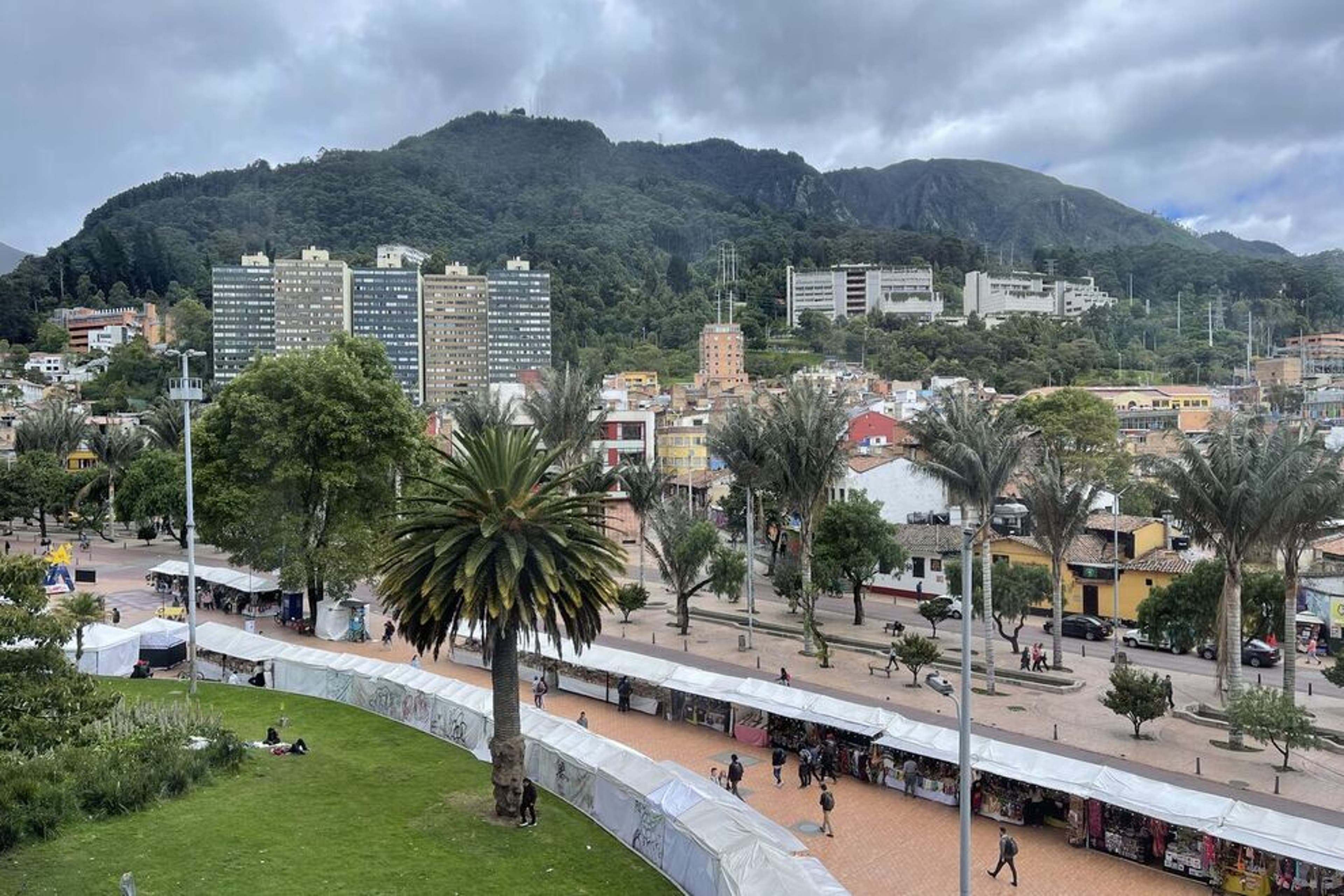 Parque de los Periodistas Gabriel García Márquez is named after the famous writer – Photo courtesy of Jared Ranahan
The first question I usually hear is, “How safe is Bogota?” Despite its political instability in the late 20th century, Colombia has made significant improvements in recent years, and I’ve never felt unsafe during my time in the capital — though it’s certainly not a place where you can let your guard down.
Petty theft is still rampant today, and Colombian culture has adopted the phrase “no das papaya” as a warning for locals and visitors alike. While it literally translates to “don’t give papaya,” it basically boils down to “don’t be a target.” Avoid wearing flashy jewelry, steer clear of empty streets, and never walk outside with your cell phone out; someone might snatch it from your hands. Also, it's safest to use rideshare services instead of taxis.
In terms of communication, Spanish is the lingua franca and sole official language of Colombia, so visitors should learn the basics before heading to Bogota. While I found that younger Bogotanos have a firm grasp on the English language, you’ll likely encounter customer service workers who are completely monolingual. My Spanish skills improved significantly during my time living in Bogota, and I always found that locals are very forgiving with visitors as long as they’re making an effort.
Keep in mind that Colombian pesos are the national currency. When it comes to planning your trip, there’s really never a bad time to go to Bogota — though the weather does tend to be a little drier from December to March. Also, U.S. citizens are granted visa-free entry and can stay in the country for up to 90 days. Lastly, be mindful that Bogota has an elevation of 8,660 feet, so altitude sickness is always a possibility.
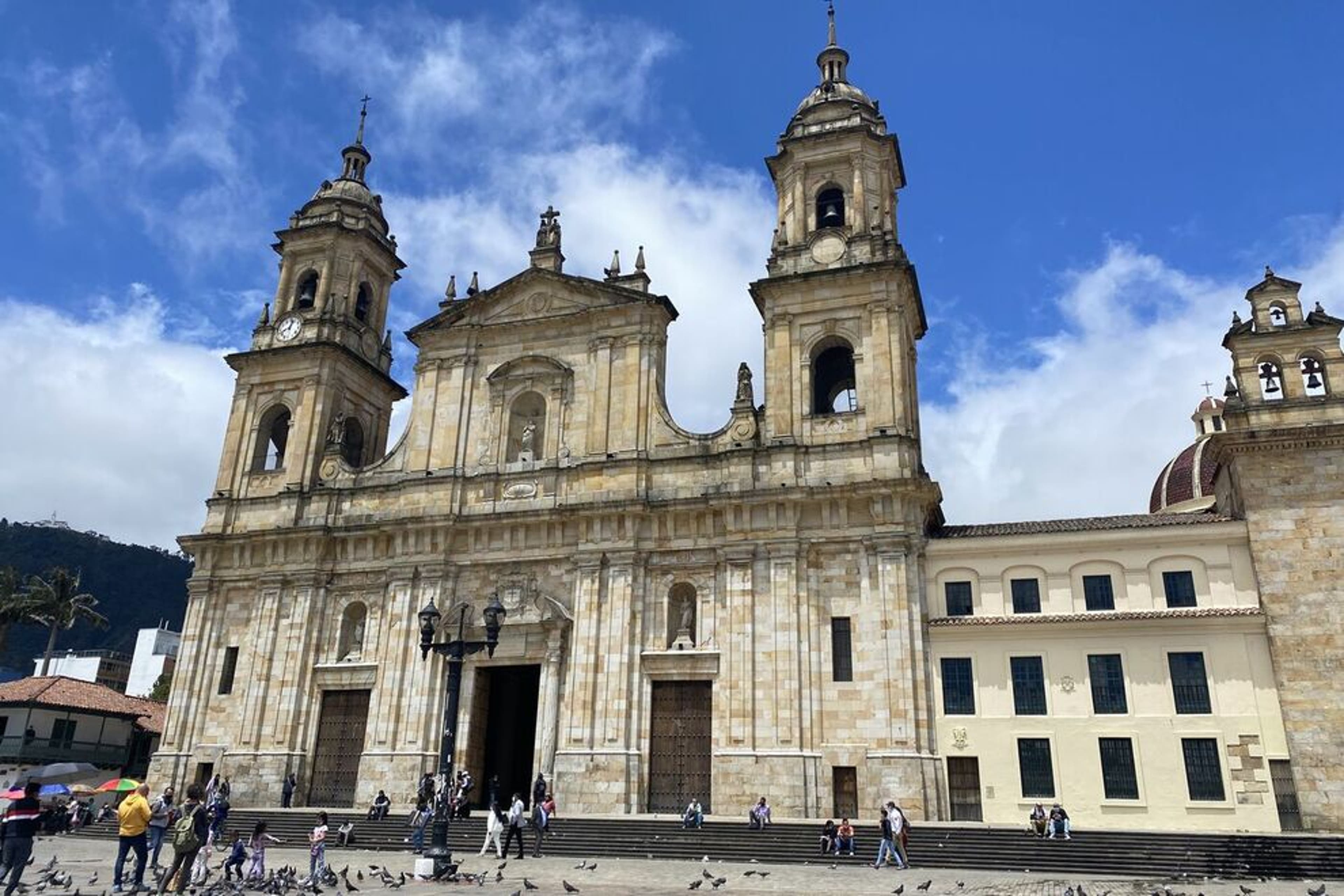 The Primatial Cathedral is a popular attraction in Bogota – Photo courtesy of Jared Ranahan
While Bogota measures in at 613 square miles, most international visitors will spend their time in just a select few neighborhoods. During my first visit, I was immediately captivated by the colorful architecture and cobblestone streets found across the La Candelaria district, with attractions like the historic Plaza de Bolívar found in the area; it’s important to note that the neighborhood gets a little dodgy at night, so be sure to leave well before sunset. Beyond its borders, areas like Santa Fe and Chapinero offer a more modern take on Colombia’s capital, with towering skyscrapers and upscale restaurants found across both localities.
For particular attractions, Bogota has a stellar museum scene, with several world-class venues scattered across the city. The Museo del Oro — or Gold Museum — is regarded as one of the top museums in the nation, with a vast collection of artifacts that showcase the craftsmanship of Colombia’s many indigenous groups. Further south, visitors can explore the Botero Museum, a free institution dedicated to one of Colombia’s most famous artists, or head north to the National Museum of Colombia, a prestigious institution that’s home to ancient relics and modern works of art.
Beyond these sites, I’m also a big fan of the Bogota Botanical Garden (it’s the largest in all of Colombia), and no visit is complete without summiting Monserrate. Located 10,341 feet above sea level, this popular lookout point offers spectacular views of Bogota, with plenty of souvenir stands and a 17th-century church to visit as well.
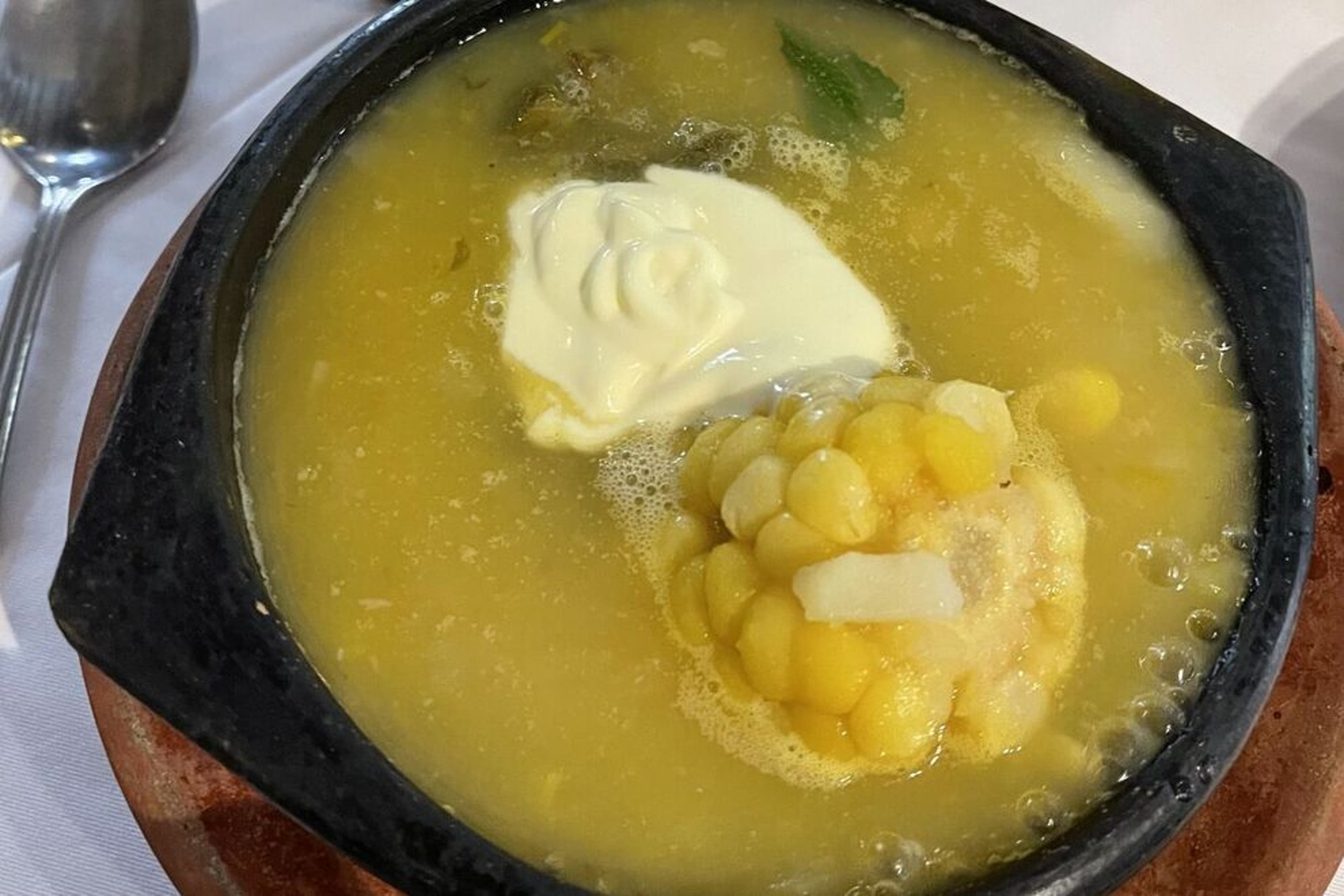 Ajiaco is a staple at many Bogota restaurants – Photo courtesy of Jared Ranahan
Given its high altitude, Bogota experiences chillier weather than some of Colombia’s other big cities, and this cool climate has led to the creation of some incredible comfort food perfect for a gloomy day. One of my personal favorites is ajiaco, a hearty stew loaded with potatoes, corn, capers, and guasca herb. You can get it at restaurants all across the city, but I’m fond of La Puerta Falsa, a charming restaurant that dates back to 1816.
Alongside ajiaco, be sure to feast on other Colombian favorites like arepas (a type of corn-based flatbread) and caldo de costilla (a savory beef rib soup), as well as classic snacks like buñuelos and pan de bono. Visitors can dine on traditional Colombian cuisine at restaurants like Casa Vieja and Casa Mamá Luz.
For a more upscale take on the Bogota dining scene, Zona G is a polished district brimming with high-end hotels and lavish restaurants, with options like Elcielo Bogota and Leo offering world-class fine dining opportunities. For a lively night out, Zona T is a hot spot for tourists and locals alike. As a craft beer fan, I always recommend checking out Bruder Microcervecería. At the same time, Parque 93 is a top-tier foodie neighborhood as well, thanks to venues like El Mono Bandido and Vista Corona.
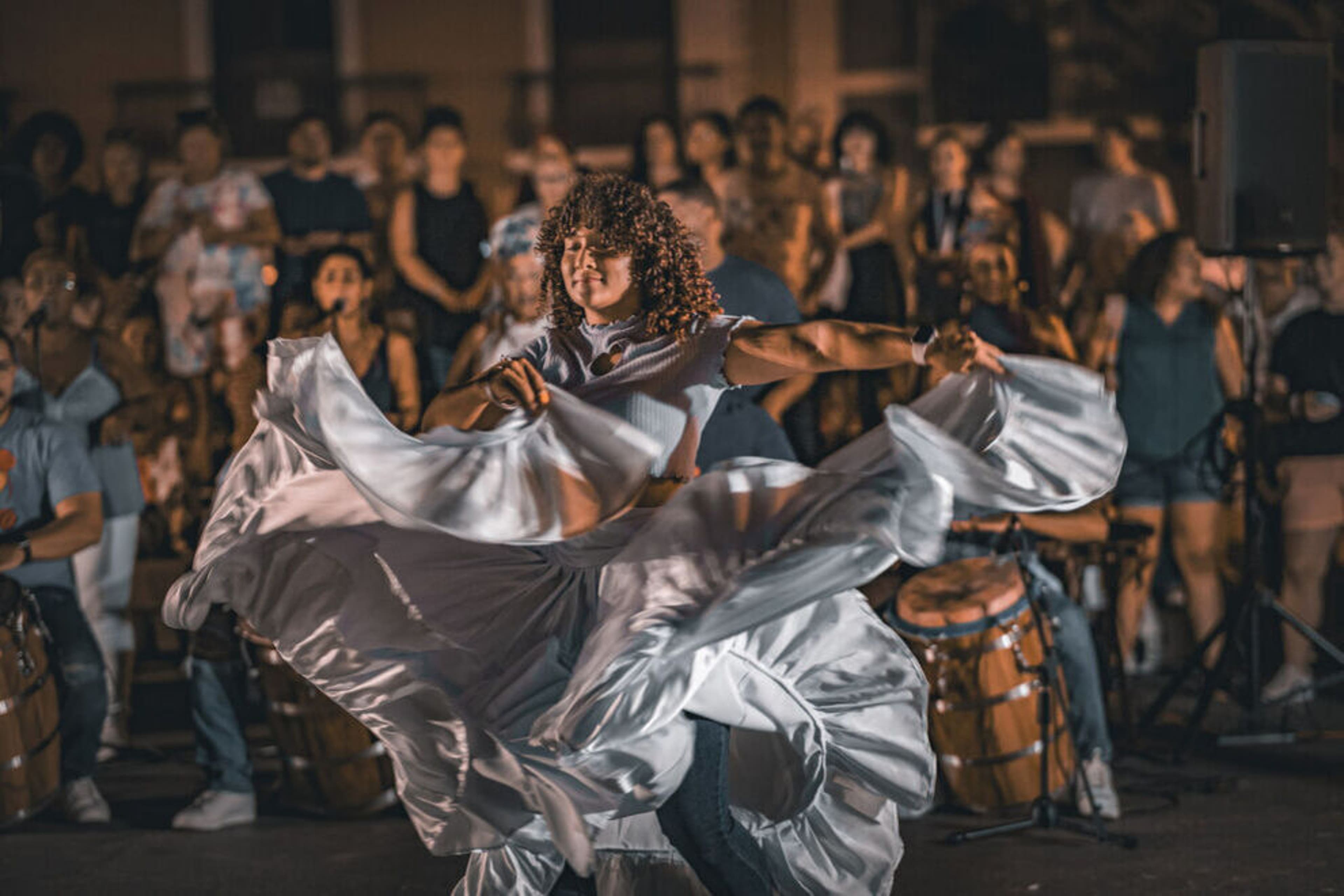
But perhaps my favorite quality of Bogota’s dining scene is its culinary diversity. While Latin American dining is the city’s forte, adventurous visitors can discover a world of flavors that span far beyond the region. Whether you’re dining on hearty Indian fare at Bombay Lounge, exploring the flavors of New Orleans at Tremé, or feasting on goulash at Beograd-Belgrado Restaurante Serbio, each meal shines a spotlight on the true beauty of Bogota. This world-class city combines old-school Colombian charm with a vibrant, modern edge.

A Massachusetts native, Jared Ranahan's yearning to see the world has led him to live in eight cities across four continents, and he is always seeking out a new city to visit or call home.
Jared is especially interested in zoology, history, and natural science, and works to incorporate these disciplines into his stories whenever possible.
Jared enjoys hoppy IPAs, peaty scotches, and all forms of sugarcane distillates.
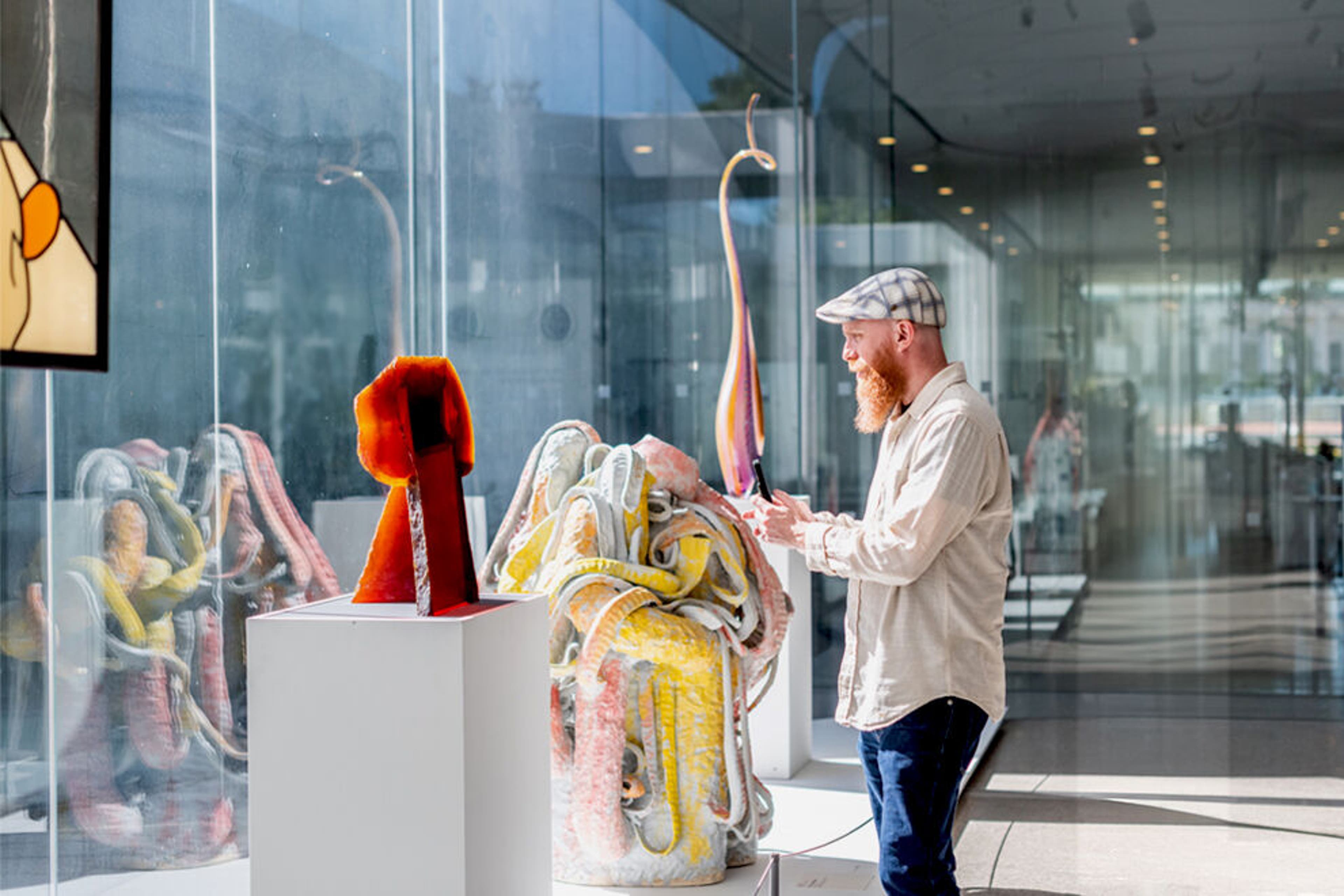
See amazing art, from classic works to modern masterpieces, at these 10 art museums that have been voted as the best in the U.S.
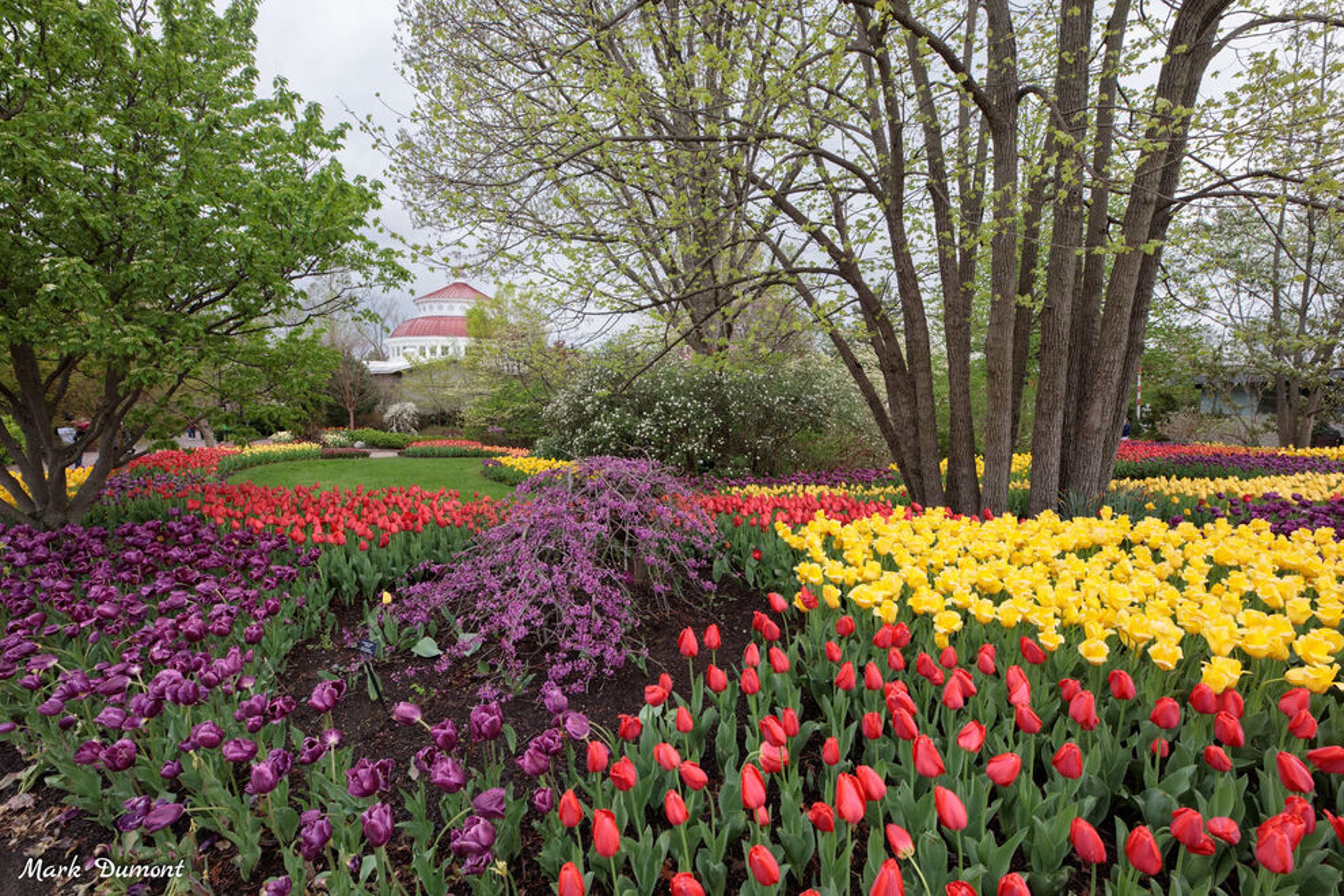
Where are the best botanical gardens? Our readers have voted on the 10 best horticultural havens in the U.S., and the results are in.

Learn about the history of North America's Indigenous peoples at the top Native American museums in the country.