LifestyleAug. 18, 2026
Why you sleep better in hotels, according to insomnia experts (and how to copy it)
From blackout curtains to clutter-free rooms, sleep experts say these hotel tricks may help you get a better night's rest at home.


Published on Oct. 29, 2025
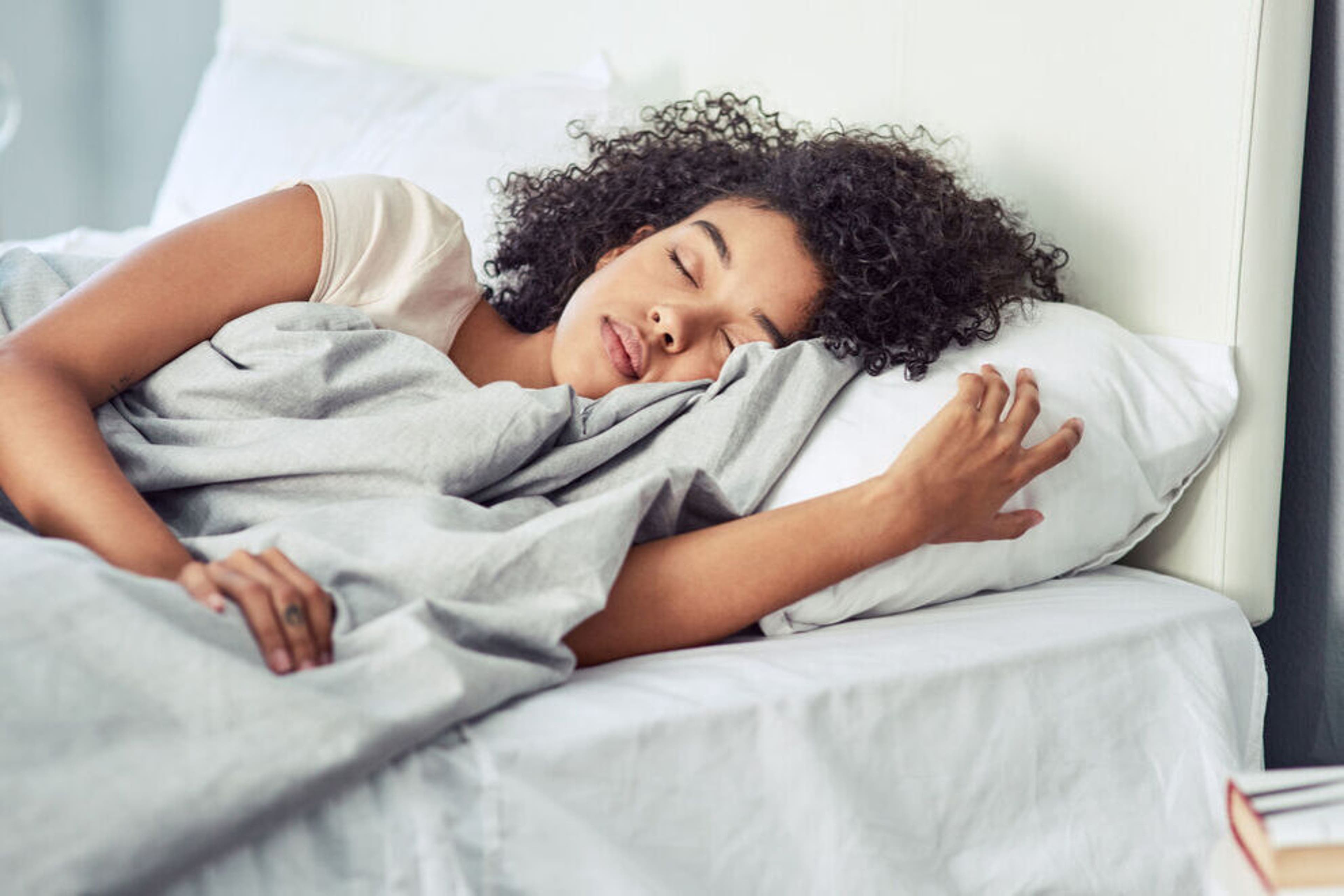 Knowing your sleep chronotype can help with better rest and productivity – Photo courtesy of LaylaBird / E+
Forget Rorschach inkblot tests and astrology. Your real personality type might just be hiding in your sleep schedule. According to Dr. Michael Breus, a clinical psychologist with 25 years of experience and an author known globally as The Sleep Doctor, understanding your sleep chronotype could be the ultimate life hack you've been missing.
"Once you know your chronotype, all the other rhythms will be able to be identified and used in your favor," Breus explains. "It's like the best cheat code ever!"
A sleep chronotype isn't just a fancy term for being a "morning person" or "night owl," though that's part of it. Your chronotype is your body's internal preference for when to sleep and wake, driven by your unique biological rhythms. It influences far more than your bedtime.
"Chronotypes are a representation of your hormonal profile during the day," says Breus. These hormones affect every single thing you do, from when you should exercise and eat, to when you're mentally sharp enough for important conversations or creative work.
Think of it as your biological operating system. When you work with it, everything runs smoothly. When you fight it, you’re essentially trying to run software designed for night mode in broad daylight. The result is exhaustion, decreased productivity, and that perpetual feeling that you're not quite firing on all cylinders. Sound familiar?
 Which sleep chronotype are you: A wolf, bear, dolphin, or lion? – Photo courtesy of The Sleep Doctor
Breus has identified four distinct chronotypes, each with unique characteristics. (Spoiler alert: Most of us are bears.)
Bears: This group represents about 50% of the population and follows the sun. They have a regular rise and fall of core body temperature and feel most alert during the day, with energy dipping in the afternoon. If you're a bear, you're right in sync with traditional work schedules. A bear's peak productivity hours are 10 a.m. to 2 p.m.
Lions: These early risers wake up ready to conquer the world. Lions are most productive in the morning and tend to wind down by evening. These are the people who genuinely enjoy 6 a.m. workouts and have already answered 25 emails before most people's alarms go off. Around 15% of us are lions.
Wolves: About 15% of us are night owls whose brains don't really switch on until everyone else is thinking about dinner. Their delayed core body temperature and later hormone production mean mornings are rough, but they hit their stride in the evening. Wolves often do their best creative work when everyone else has logged off.
Dolphins: Dolphins are the lightest sleepers with irregular core body temperature and hormonal patterns, making consistent sleep genuinely difficult. Dolphins tend to be perfectionists and light sleepers who wake easily. (I did the assessment, and yep, I’m among the 10% of the population who are a tossing, turning dolphin).
To determine your chronotype, head over to chronoquiz.com.
"It's 100% genetics," Breus confirms. "It's all basic genetics and biology."
Each chronotype considers two key biological factors: your core body temperature cycle and the timing of hormone production. Take a lion, or what most people call a morning person. Their core body temperature rises earlier than average, and their hormonal cycle begins about 90 minutes ahead of most people. A wolf (looking at you, "night owls") is the opposite: Their core body temperature and hormone production are both delayed.
But before you panic about being genetically doomed to 8 a.m. meetings when you're a wolf, there's a twist: We cycle through different chronotypes throughout our lifetime. As children, most of us start as lions, going to bed early and waking up early. By middle school, we shift to bears. High schoolers typically become wolves, wanting to stay up late and sleep even later. Around age 20, your chronotype settles in for about 25 to 30 years, then it goes backward as you age, so Granny is up with the birds again.
While you can't change your genetic chronotype, Breus notes you can manipulate it using the same strategies used for jet lag, including light exposure, exercise, melatonin, and strategic caffeine use.
So what happens when your biology clashes with reality? If you're a wolf forced into early morning meetings or classes, Breus has a survival strategy.
First, maintain a consistent wake-up time seven days a week, even on weekends. Get bright light exposure (ideally sunshine) for 15 minutes immediately after waking to shut off lingering melatonin. Hydrate before caffeinating, and limit caffeine to morning hours only, stopping by noon. A strategic 20-minute nap around 2 p.m. can help bridge the energy gap.
The implications extend beyond personal productivity. Breus has worked with companies to chronotype entire staffs and restructure meeting schedules accordingly. The result? Never scheduling creative meetings with wolves at 8 a.m., but rather at 6 p.m. "This worked out dramatically well and helped improve efficiency and productivity," he notes.
Even relationships benefit from chronotype awareness. When a lion marries a wolf (which happens often), success depends on "understanding when somebody's mental space is available and then capitalizing on that schedule." Want to have a meaningful discussion with your lion partner? Schedule it for the morning. Need to talk to your wolf spouse about something serious? Wait until evening when they're fully conscious.
In his book, “The Power of When,” Breus plots your best times to fall in love, have sex, write your novel, take a run, and study for an exam.
Your sleep chronotype isn't a personality quirk or a character flaw; it's biology. And working with it, rather than against it, might help your work and love lives.

From blackout curtains to clutter-free rooms, sleep experts say these hotel tricks may help you get a better night's rest at home.
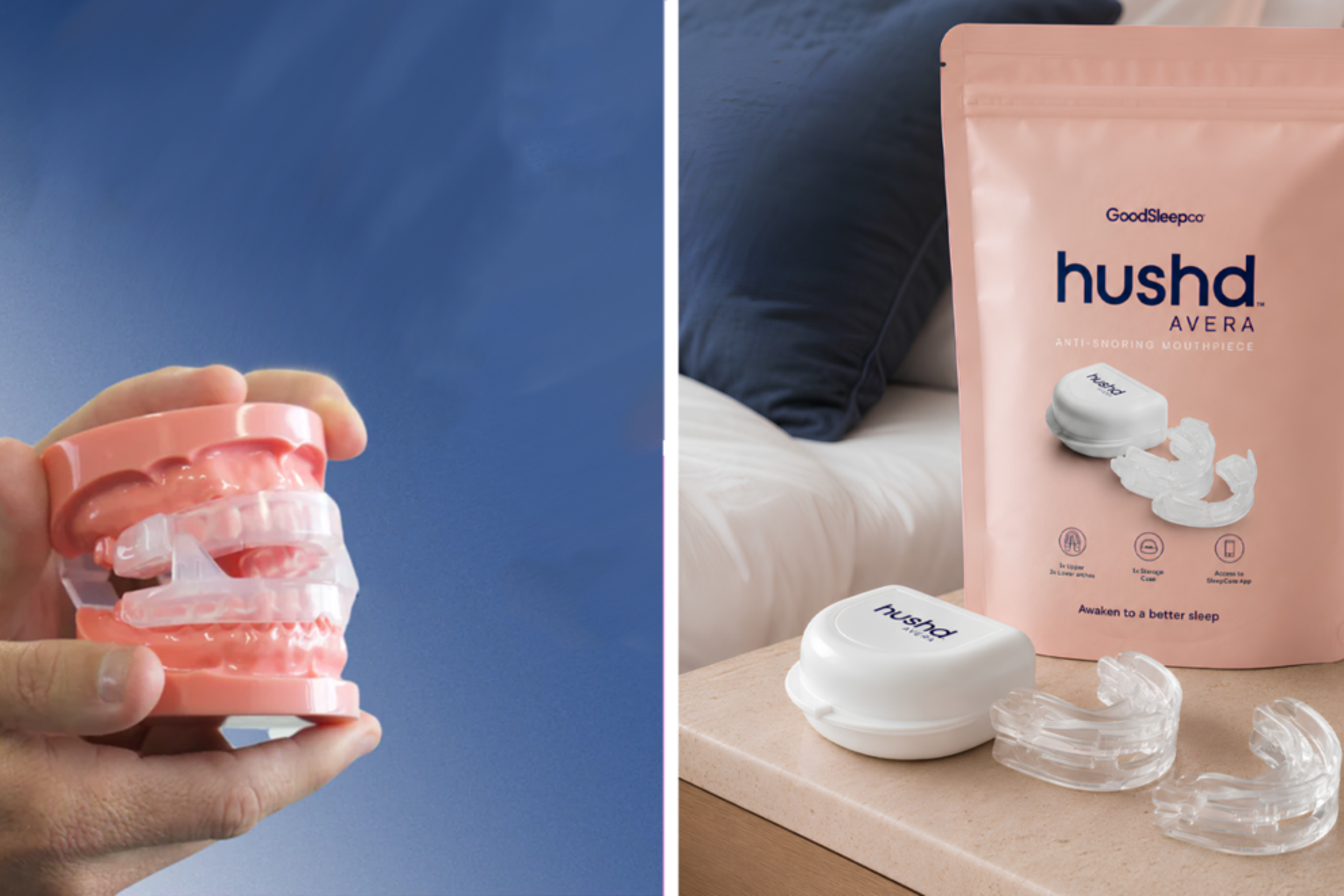
Hushd Avera is a doctor-designed, FDA-cleared anti-snoring mouthpiece that custom-fits at home in minutes.

We rounded up the best walking shoes for comfort, budget, style, and arch support to help you fly past your step count goals.